When Bulk Pickup Is Better Than Renting a Dumpster
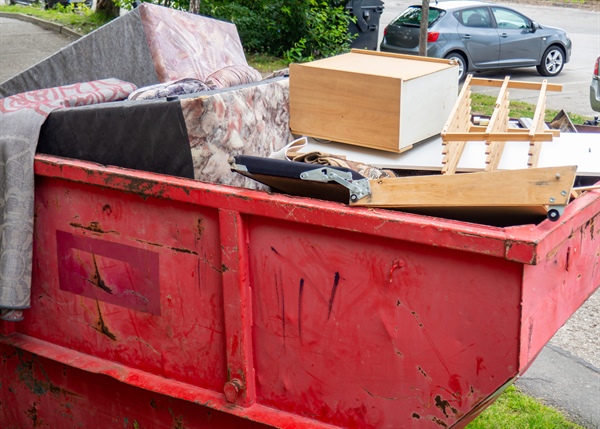
Large-item disposal is a common challenge for homeowners, property managers, and contractors. Furniture, appliances, construction debris, and renovation waste do not fit into standard carts, which often leads people to weigh the choice between bulk pickup services and renting a dumpster. Each option serves a distinct purpose, and selecting the wrong one can create unnecessary cost, access issues, or scheduling delays. Understanding when bulk pickup is the better option requires a clear look at volume, material type, logistics, and disposal timelines.
Van's Sanitation regularly works with residents navigating these decisions, particularly when space limitations, neighborhood restrictions, or short disposal windows are involved. This article examines when bulk pickup is more practical than a dumpster rental by breaking down qualification criteria, use cases, cost structures, logistical factors, and preparation requirements. These topics provide a factual framework for choosing the most efficient disposal method while supporting responsible trash removal practices.
What Qualifies as Bulk Pickup vs. Dumpster Rental
Bulk pickup refers to the scheduled collection of oversized items placed curbside or in a designated collection area. These items typically include furniture, mattresses, appliances without refrigerants, carpet rolls, and bundled construction debris. Bulk pickup is designed for individual large objects or limited quantities that cannot be accommodated by standard waste carts but do not require continuous disposal access.
Dumpster rental, by contrast, involves placing a roll-off container on-site for a defined period. Dumpsters are intended for ongoing waste generation, such as during remodeling, roofing, estate cleanouts, or commercial projects. They accept mixed debris streams and are loaded incrementally, making them suitable when waste volume accumulates over time.
The qualification distinction centers on volume and duration. Bulk pickup aligns with one-time or infrequent disposal of specific items, while dumpsters serve multi-day or multi-week projects. Municipal guidelines and hauler policies define acceptable materials for each service, which helps prevent contamination and ensures safe handling during collection. For residential cases involving limited items, bulk pickup often avoids the footprint and permitting issues associated with trash removal containers.
Common Situations Where Bulk Pickup Makes More Sense
Bulk pickup is commonly used during household transitions such as moving, downsizing, or replacing large furnishings. Disposing of a couch, bed frame, or dining set typically does not justify the cost or space required for a dumpster. In these cases, curbside bulk service offers a targeted solution without extended site occupation.
Another frequent scenario involves appliance replacement. Washers, dryers, and stoves are often removed in single events. Bulk pickup accommodates these items efficiently when refrigerants, doors, or hazardous components are handled according to disposal regulations.
Neighborhood and zoning constraints also influence this decision. Many residential areas restrict dumpster placement on streets or driveways. Bulk pickup avoids permit requirements and access conflicts while still addressing disposal needs that exceed cart capacity. This flexibility distinguishes it from a full dumpster rental in limited-space environments.
Cost Differences Between Bulk Pickup and Dumpster Rental
Cost structures differ significantly between bulk pickup and dumpster rental. Bulk pickup is typically priced per item, per bundle, or per scheduled service. This model benefits situations where only a few oversized items need removal, keeping costs proportional to actual disposal volume.
Dumpster rentals include container delivery, rental duration, haul-away, and disposal fees. Pricing is often tiered by container size and weight limits. When waste volume is low, these fixed costs can exceed the value provided, particularly if the dumpster remains underutilized.
Bulk pickup minimizes unused capacity and eliminates the need for extended rental periods. For residents managing isolated disposal events, this approach aligns cost with necessity rather than availability, which explains why bulk service is frequently selected over container-based options.
Space, Timing, and Access Considerations for Each Option
Physical space is a primary factor in disposal planning. Dumpsters require sufficient clearance for placement and servicing, including overhead access for delivery trucks. Narrow driveways, shared alleys, or urban streets can restrict container placement.
Bulk pickup requires far less space, relying on temporary curbside staging. This makes it suitable for properties with limited frontage or strict homeowner association rules. Items are placed shortly before collection, reducing visual and logistical disruption.
Timing also differs. Dumpster rentals provide continuous access, while bulk pickup follows scheduled collection windows. For projects completed in a single day or involving pre-existing items, bulk pickup aligns better with disposal timelines and avoids idle container time.
How to Schedule Bulk Pickup and Prepare Items Properly
Scheduling bulk pickup typically involves contacting the service provider in advance to identify acceptable materials, quantity limits, and placement guidelines. Collection schedules vary by municipality and service agreement, making advance coordination necessary.
Preparation standards are designed to promote safety and efficiency. Items may need to be bundled, doors removed from appliances, or materials separated by type. Proper placement ensures unobstructed access for collection equipment.
Following preparation requirements reduces collection delays and additional charges. Service providers such as Van's Sanitation publish clear guidelines to support compliant and efficient bulk pickup operations.
Reliable Disposal Support for Bulk Pickup and Dumpster Services
Van's Sanitation provides structured waste solutions for residential and commercial needs throughout Le Mars, Iowa. Located at 1553 18th St SW, Le Mars, IA 51031, the company supports bulk pickup scheduling, dumpster rentals, and routine waste services based on project scope and material type.
Clients seeking guidance on selecting the appropriate disposal method can speak directly with service specialists who understand local regulations, access constraints, and material handling requirements. Bulk pickup and dumpster services are coordinated to reduce delays and support compliant disposal.
To discuss service options or schedule collection, contact Van's Sanitation at 712-548-4644 or visit the contact us page for additional assistance.