How Does Yard Waste Collection Differ Between Seasons?
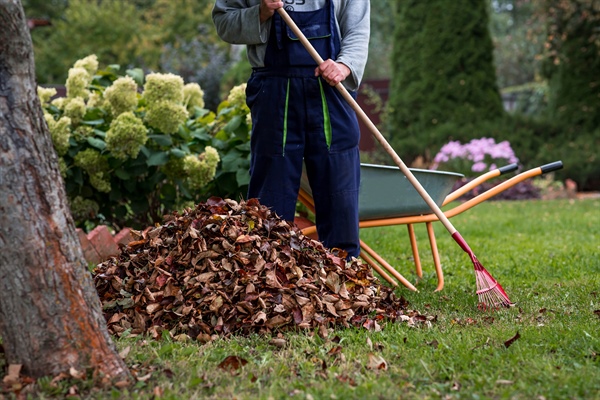
Yard waste collection changes throughout the year because the type, volume, and condition of organic debris shift with the seasons. Spring brings grass clippings, early pruning debris, and storm cleanup, while fall introduces heavy leaf accumulation and end-of-season landscaping waste. Weather patterns, daylight hours, and regional growing cycles all influence how and when yard waste is collected. Understanding these seasonal differences helps residents plan disposal methods that align with local guidelines and collection schedules, especially in areas that experience wide swings in temperature and precipitation.
Seasonal yard waste practices are shaped by factors such as composting requirements, equipment limitations, and municipal regulations. Collection programs must adapt to frozen ground, snow-covered materials, peak leaf drop, and holiday interruptions, all while maintaining consistent service. Providers like Van's Sanitation design yard waste programs to account for these variables, offering structured approaches for handling yard waste during every part of the year. The sections below explore how fall, winter, spring, and holiday periods affect yard waste collection, along with practical preparation strategies residents can use during high-demand seasons.
Fall Leaf Collection vs. Spring Yard Cleanup: Key Seasonal Differences
Fall leaf collection differs from spring cleanup primarily due to the type and concentration of organic material generated. During autumn, deciduous trees shed leaves over a relatively short window, creating dense volumes of lightweight but bulky material. This often requires dedicated collection periods and specific preparation rules, such as using compostable bags or clearly marked containers. Leaves also tend to retain moisture from dew and rainfall, increasing overall weight and affecting handling and transport efficiency.
Spring cleanup, by contrast, produces a broader mix of materials. Grass clippings, small branches, garden debris, and leftover organic matter from winter storms are common. This material is typically heavier per item but spread out over a longer timeframe. Spring yard waste may also include invasive plant removal or early landscaping projects, which can introduce soil-contaminated debris that must be separated from compostable material.
Because fall collection focuses heavily on leaf volume management, many programs are structured to handle repeated weekly set-outs of yard waste during peak leaf drop. Spring programs tend to emphasize sorting accuracy and contamination prevention to support composting and processing standards.
How Winter Weather and Snow Affect Yard Waste Service Timing
Winter weather significantly alters yard waste service schedules due to frozen ground, snow cover, and reduced daylight hours. Once sustained freezing temperatures arrive, organic material becomes difficult to collect and process. Snow accumulation can obscure set-out locations, block access to containers, and introduce ice into yard waste loads, which complicates composting and equipment operation.
In many regions, yard waste collection is paused or reduced during the winter months. This allows collection crews to prioritize snow removal logistics, roadway safety, and standard refuse services. Snowbanks and plowed streets may also limit curb access, making consistent yard waste pickup impractical until conditions improve.
Residential services are typically structured so that seasonal yard waste pauses align with broader residential services schedules. This coordination helps maintain reliability across essential waste streams while accounting for winter-specific operational constraints.
Yard Waste Volume Limits During Peak Collection Seasons
Volume limits are commonly applied during peak yard waste seasons to maintain service consistency and prevent collection delays. Fall leaf season often generates the highest volume of organic material, and without limits, excessive set-outs can strain collection routes and processing facilities. Limits may be defined by the number of bags, container size, or total weight per pickup.
Spring volume limits are usually less restrictive but still enforced to prevent contamination and oversized debris from entering compost streams. Large branches, root balls, and mixed materials may require separate handling or special preparation. These limits protect processing equipment and help maintain compliance with composting standards.
During high-demand periods, volume controls allow service providers to distribute capacity evenly across routes and communities. Clear limits also help residents plan gradual disposal rather than relying on a single large set-out that may exceed handling capabilities.
Seasonal Preparation Tips for Busy Yard Waste Collection Periods
Preparation plays a major role in successful yard waste collection during busy seasons. In the fall, residents benefit from breaking leaf disposal into multiple weekly set-outs instead of waiting until all leaves have fallen. This approach reduces container overflow and minimizes the risk of bags becoming saturated and difficult to handle.
Spring preparation focuses on material separation. Keeping grass clippings free of soil, avoiding plastic liners, and cutting branches to acceptable lengths helps prevent rejected loads. Early-season planning is especially useful after winters with heavy snowfall or wind damage, which can leave scattered debris across properties.
Storage considerations also matter. Using rigid containers with ventilation, keeping bags dry, and staging materials near accessible curb locations improve collection efficiency and reduce service disruptions during peak demand windows.
Holiday Impacts on Yard Waste Pickup Schedules
Holidays can temporarily shift yard waste pickup schedules due to reduced staffing, facility closures, and route adjustments. When holidays fall early in the week, collection may be delayed by one day for the remainder of that service cycle. This affects yard waste more noticeably during fall and spring when volumes are already elevated.
Weather-related holidays, such as those impacted by winter storms, can further compress collection timelines. Missed pickups may be rescheduled or deferred depending on seasonal program rules and safety conditions. Clear communication is essential during these periods to prevent curbside congestion and missed service.
Schedule updates and service notices are typically shared through official channels managed by Van's Sanitation, helping residents in Le Mars plan yard waste set-outs around holiday-related adjustments.
Seasonal Yard Waste Solutions Backed by Local Experience
Managing yard waste throughout the year requires an understanding of seasonal volume changes, weather limitations, and scheduling adjustments. Van's Sanitation provides structured yard waste programs that account for fall leaf surges, spring cleanup demands, winter service pauses, and holiday-related schedule changes. Their approach reflects long-standing operational experience handling organic material in varying Midwest conditions.
Residents benefit from clearly defined seasonal guidelines that support proper material preparation, volume control during peak periods, and timely communication when weather or holidays affect pickup schedules. These practices help reduce missed collections, prevent contamination in compost streams, and keep neighborhoods orderly during the busiest yard waste months.
Van's Sanitation is located at 1553 18th St SW, Le Mars, IA 51031, and can be reached by phone at 712-548-4644. For service details, scheduling updates, or questions about seasonal yard waste programs, residents can contact us to speak directly with their team.