How Do Sanitation Companies Support Environmental Sustainability?
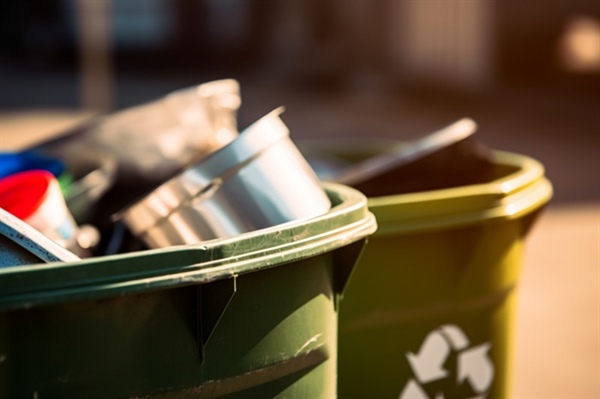
Sanitation companies play a critical role in environmental sustainability by managing the waste generated in homes, businesses, and public spaces. Their services extend beyond collection—they help reduce greenhouse gas emissions, improve resource recovery, and promote cleaner technologies.
While often viewed as behind-the-scenes operators, their daily work has a direct impact on carbon footprints, landfill diversion, and the preservation of natural resources. Whether it's through route optimization, equipment upgrades, or public recycling programs, their efforts shape the long-term health of our environment.
Van's Sanitation exemplifies this commitment in Plymouth County and surrounding areas. As the demand for sustainable waste practices continues to rise, companies like Van’s are innovating and educating at every step, from collection to final disposal.
To understand how sanitation supports sustainability, let's explore key aspects, including the carbon impacts of traditional collection methods, how recycling reduces greenhouse gases, the technology investments reshaping the industry, the benefits of sorting waste at the source, and how community outreach drives eco-friendly habits.
The Carbon Impacts of Traditional Waste Collection Methods
Traditional waste collection methods, especially those relying on diesel-powered fleets, contribute significantly to carbon emissions. Frequent stops, inefficient routing, and older vehicle engines lead to elevated fuel consumption and exhaust output.
In densely populated areas, this impact is magnified by traffic congestion and longer routes. According to the U.S. Environmental Protection Agency, waste collection and transportation account for a substantial portion of greenhouse gas emissions associated with municipal solid waste management, primarily due to CO₂ released from combustion engines.
Beyond emissions, the logistics of traditional collection often lead to increased wear on road infrastructure, further compounding environmental costs through more frequent road repairs and associated emissions from construction equipment. These indirect emissions add to the total environmental footprint of the waste industry. Shifting to optimized route planning software, improved scheduling, and cleaner fuel alternatives is crucial in reducing these outputs.
How Recycling Programs Contribute to Reducing Greenhouse Gases
Recycling programs significantly reduce greenhouse gas emissions by diverting materials from landfills and reducing the need for virgin material extraction. Producing goods from recycled inputs typically consumes less energy than from raw materials. For example, manufacturing aluminum from recycled cans uses 95% less energy than producing it from bauxite ore. This energy savings translates directly into fewer emissions from power generation, especially in regions still reliant on fossil fuels.
Landfills emit methane, a greenhouse gas with over 25 times the heat-trapping potential of CO₂, as organic waste decomposes anaerobically. By diverting paper, cardboard, and food scraps into recycling and composting streams, sanitation providers reduce the volume of methane-producing material. In this way, recycling doesn't just save energy—it prevents potent emissions from occurring in the first place.
What Investments Are Sanitation Providers Making in Cleaner Technologies?
Modern sanitation providers are transitioning to advanced technologies that lower emissions and improve operational efficiency. These investments include compressed natural gas (CNG) and electric waste collection vehicles, both of which reduce reliance on diesel and offer quieter operation and fewer pollutants. Many companies are also integrating GPS-based route optimization systems that minimize fuel usage by identifying the most efficient collection paths.
Automation is also rising within the sanitation industry. Automated side-loader trucks reduce labor and collection time, improving safety while lowering idling emissions. Digital platforms enable customers to schedule pickups, report overfilled bins, or monitor service in real time, reducing unnecessary trips and enhancing efficiency. Additionally, many facilities are investing in materials recovery facilities (MRFs) that improve sorting accuracy through robotics and AI-powered systems, increasing the yield and purity of recycled materials.
These forward-looking changes are not only reducing emissions but are creating a blueprint for scalable sustainability. By incorporating cleaner tech across vehicle fleets, collection processes, and recycling facilities, sanitation companies are laying the groundwork for long-term environmental benefits.
How Waste Sorting at the Source Improves Sustainability Outcomes
Source separation—the practice of sorting waste materials at the point of generation—is one of the most effective ways to improve recycling outcomes and reduce landfill volume. When recyclables are kept separate from general waste, contamination decreases, which improves the quality and resale value of recovered materials. High contamination rates are a leading cause of recyclable materials being rejected and ultimately landfilled, even after collection.
Proper sorting also makes it easier for material recovery facilities to process and distribute recyclable content. This reduces labor costs, mechanical wear, and energy consumption at sorting facilities. For organic waste, source-separated composting prevents methane formation in landfills while creating valuable soil amendments. This practice enhances soil health and reduces dependence on chemical fertilizers.
Community-level efforts, especially in residential neighborhoods, have the greatest potential for impact. Clear labeling, public education, and consistent collection policies help residents adopt correct sorting habits. These efforts, when paired with convenient curbside collection options, result in higher material recovery rates and fewer emissions from downstream processes.
What Community Outreach Efforts Promote Eco-Friendly Disposal?
Community engagement is essential to successful environmental programs in the sanitation sector. Outreach campaigns focused on correct sorting, recycling, and disposal habits are among the most effective tools sanitation providers can use to promote sustainable behaviors. Public workshops, school programs, social media campaigns, and waste audits help residents and businesses understand their environmental impact and make more informed decisions.
Regular communication builds trust and reinforces participation. Whether through newsletters, signage on collection bins, or online resources, well-designed outreach improves compliance with recycling rules and reduces contamination.
Community-led cleanup events and recycling drives also increase visibility and enthusiasm for sustainability efforts while strengthening the connection between providers and residents. Van’s Sanitation actively supports these initiatives throughout Le Mars and the surrounding areas, partnering with schools and community groups to improve awareness and participation.
Supporting Sustainable Waste Management in Le Mars
Van’s Sanitation stands at the forefront of sustainable waste management in Plymouth County. With a full suite of residential, commercial, and recycling services, we address the complex challenges of carbon emissions, waste diversion, and public engagement.
To take the next step in sustainable sanitation services, contact us today or call 712-548-4644 to learn how Van’s Sanitation can help with waste collection, recycling solutions, and eco-friendly disposal strategies that work for your community!