How Bulk Item Disposal Services Work for Household Trash
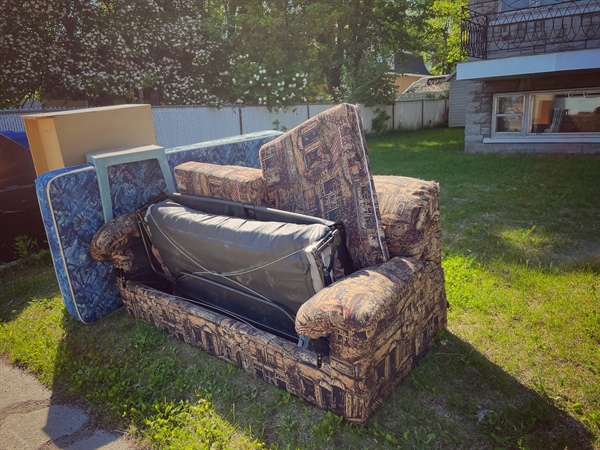
Bulk item disposal services address a category of household waste that standard weekly trash collection does not cover. Large or oversized items such as furniture, appliances, and renovation debris require different handling due to their size, weight, and disposal requirements. These services are designed to move bulky materials safely through the waste stream while meeting local landfill and recycling regulations.
Understanding how bulk item disposal works helps homeowners plan cleanouts, renovations, or move-outs without violating local collection rules. This article explains what qualifies as bulk trash, how scheduling typically works, what costs may apply, how far ahead service must be arranged, and whether limits exist on pickup volume. Van's Sanitation follows structured collection practices that align with municipal guidelines and residential waste standards. Many residents already rely on routine trash removal, but bulk disposal operates under a different set of rules.
What Size or Type of Items Qualify for Bulk Trash Disposal?
Bulk trash generally includes household items that are too large or heavy for standard carts. Common examples include couches, mattresses, box springs, dressers, dining tables, water heaters, washers, dryers, and carpeting cut into manageable sections. These items cannot be compacted or safely collected through automated residential trucks used for weekly service.
Construction and remodeling debris may also qualify as bulk waste when generated by homeowners rather than contractors. This can include lumber, drywall, flooring, and cabinetry, provided materials are properly bundled and free of hazardous substances. Items containing refrigerants, electronics, or metal components may be diverted to specialized recycling streams depending on local disposal rules.
Bulk classification is based on physical characteristics rather than item category alone. Weight, dimensions, and handling requirements determine whether an item must be scheduled separately from routine pickup. Sanitation providers use this distinction to protect equipment, workers, and landfill operations while maintaining consistent residential service standards.
Do Residents Need to Schedule Bulk Pickups Separately?
In most residential waste programs, bulk item pickups are not included in regular weekly collection. Separate scheduling allows sanitation providers to allocate appropriate vehicles, staffing, and disposal sites. Unlike automated cart service, bulk collection often requires manual loading or specialized trucks.
Scheduling also allows providers to confirm item eligibility and prepare for any handling restrictions. For example, appliances may require certification that refrigerants have been removed, while furniture may need to be placed in specific pickup locations. Advance coordination helps prevent missed collections or compliance issues.
Residential waste programs typically outline bulk service policies alongside standard residential services. These policies clarify when bulk pickups occur, how requests are submitted, and what preparation steps homeowners must follow before collection.
What Are the Costs Associated With Bulk Item Disposal?
Bulk item disposal costs vary based on item type, quantity, and disposal method. Heavier or more complex items require additional labor and may incur higher fees due to landfill surcharges or recycling processing requirements. Appliances, for example, often carry higher disposal costs than furniture.
Some residential service plans include limited bulk pickups per year, while others charge per item or per scheduled collection. Pricing structures reflect transportation distance, tipping fees, and handling time rather than simple volume alone.
Transparent pricing helps homeowners compare disposal options and avoid improper dumping. Understanding cost factors also supports responsible waste management by accounting for the full lifecycle of large household items from curb to final disposal or recycling.
How Far in Advance Must Homeowners Contact the Sanitation Provider?
Advance notice is a standard requirement for bulk item disposal. Most providers request several days to a week of lead time to coordinate equipment, routes, and staffing. High-demand periods such as spring cleanouts or post-holiday seasons may require longer notice.
Advance scheduling also allows sanitation providers to verify item compliance with local disposal regulations. Certain materials may require documentation or preparation steps before collection, which cannot be addressed on short notice.
Planning ahead reduces service disruptions and helps maintain predictable collection schedules across residential routes. Homeowners benefit from fewer delays and clearer expectations when bulk pickups are arranged in advance.
Are There Limits on the Number of Bulk Items Per Pickup?
Bulk pickup limits are commonly established to balance service capacity and fairness among customers. Limits may apply per pickup, per billing cycle, or per calendar year, depending on the service agreement. These caps prevent excessive strain on equipment and personnel.
Quantity limits also support efficient routing and disposal planning. Large volumes of bulk waste often require multiple trips or alternative disposal methods, which are managed differently than single-item pickups.
When quantities exceed standard limits, homeowners are typically directed toward alternative solutions such as temporary dumpsters or staged pickups. Detailed service guidelines are usually available through Van's Sanitation to clarify these thresholds.
Bulk Item Disposal Services for Residential Households
Van's Sanitation provides structured bulk item disposal as part of its residential waste operations in Le Mars, Iowa, and surrounding areas. With over three decades of service experience, the company aligns bulk collection practices with local regulations and landfill requirements.
Homeowners benefit from clear scheduling procedures, defined item eligibility, and consistent service standards. Bulk disposal is coordinated to support routine collection while accommodating larger household waste needs safely and efficiently.
Residents seeking guidance on bulk trash disposal can reach Van's Sanitation at 1553 18th St SW, Le Mars, IA 51031, or by phone at 712-548-4644. Service details and pickup requests are available through the contact us page.