Environmental Benefits of Curbside Residential Recycling
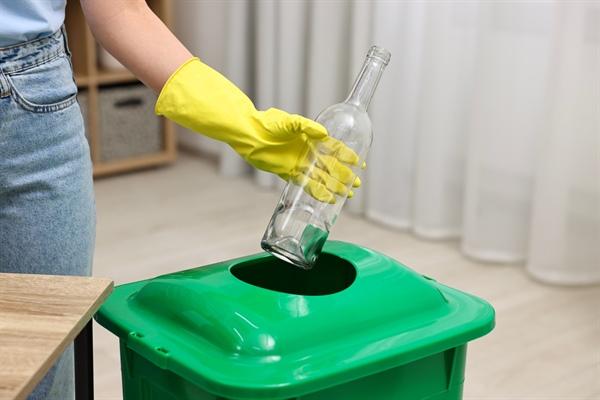
Curbside residential recycling plays a measurable role in reducing environmental strain by diverting materials away from landfills and returning them to productive use. By collecting recyclable materials directly from households, communities reduce the volume of waste requiring long-term disposal while lowering demand for raw material extraction. This system supports resource conservation, energy savings, and emission reductions across manufacturing and waste management systems.
Understanding the environmental benefits of curbside recycling requires looking at how landfill diversion works, which materials deliver the greatest environmental return, and how recycling contributes to lower greenhouse gas emissions. It also involves examining the influence of community participation and the role local programs play in advancing circular economy goals. These topics help explain why consistent residential recycling participation matters and how structured collection systems, such as established recycling services, support long-term sustainability outcomes. Van's Sanitation operates within this framework by providing structured residential waste and recycling collection in the region.
How Recycling Programs Reduce Landfill Waste in Plymouth County
Recycling reduces landfill waste by diverting materials that would otherwise require burial and long-term management. In Plymouth County, curbside residential recycling programs capture paper, cardboard, plastics, and metals before they enter the municipal solid waste stream. Each ton of material diverted reduces landfill space consumption and delays the need for landfill expansion, which carries environmental and regulatory costs.
Landfills generate leachate and methane as waste decomposes, both of which require extensive monitoring and control. Recycling reduces the volume of decomposable material entering landfills, lowering methane generation potential and decreasing the environmental footprint of waste disposal facilities. Consistent collection schedules and standardized accepted materials help improve diversion rates and reduce contamination.
County-level recycling participation also improves waste system efficiency by stabilizing disposal volumes and lowering per-ton disposal impacts. Residential collection programs supported by structured recycling services contribute to measurable reductions in landfill-bound waste across the region.
Materials That Save the Most Energy and Natural Resources When Recycled
Aluminum offers the highest energy savings when recycled, requiring up to 95 percent less energy than producing aluminum from bauxite ore. Recycling aluminum also reduces water use and avoids the environmental impacts of mining and refining. Cardboard and paper products follow closely, saving trees, water, and energy while reducing air pollution associated with pulp production.
Steel and tin recycling conserves iron ore and coal while reducing emissions from primary metal production. Plastics, particularly PET and HDPE, reduce fossil fuel consumption when recycled, though benefits vary depending on resin type and processing efficiency. Glass recycling lowers raw material demand and furnace energy use when incorporated into new glass production.
Residential collection programs that accept these materials through standardized sorting processes improve recovery rates and material quality. Integrated residential services help ensure recyclable materials remain viable for processing and reuse, maximizing environmental returns.
How Residential Recycling Helps Reduce Greenhouse Gas Emissions
Recycling lowers greenhouse gas emissions by reducing the need for energy-intensive raw material extraction and manufacturing. Producing goods from recycled materials generally requires less fuel and electricity, resulting in lower carbon dioxide emissions across supply chains.
Landfill methane emissions also decrease when recyclable materials are diverted. Organic matter and paper products produce methane during anaerobic decomposition, while recycled alternatives bypass this process entirely. Methane has a significantly higher global warming potential than carbon dioxide, making landfill diversion a critical emissions reduction strategy.
At scale, residential recycling contributes to regional and national emission reduction goals by stabilizing waste streams and improving material recovery efficiency. Increased household participation directly strengthens these outcomes through consistent material diversion.
The Role of Community Participation in Recycling Success
Community participation determines the effectiveness of curbside recycling programs. High participation rates increase material volumes, improve processing efficiency, and lower per-household system costs. When residents follow sorting guidelines, contamination decreases, and more materials remain recyclable.
Education and clear communication influence participation quality. Residents who understand accepted materials and preparation requirements contribute to cleaner recycling streams and higher recovery rates. Consistency across neighborhoods also supports predictable collection and processing operations.
Communities with strong participation benefit from improved environmental performance and reduced waste management burdens. Collective engagement transforms recycling from an individual action into a system-level environmental solution.
How Local Recycling Supports Circular Economy Goals
A circular economy prioritizes keeping materials in use for as long as possible through reuse, recycling, and remanufacturing. Local recycling programs supply recovered materials back into production systems, reducing reliance on virgin resources and minimizing waste generation.
By collecting recyclables locally, communities shorten material recovery loops and support domestic manufacturing supply chains. This approach reduces transportation impacts and strengthens regional resource resilience.
Organizations such as Van's Sanitation play a role in maintaining consistent material flows that support circular economy principles through reliable collection and processing pathways.
Supporting Residential Recycling and Environmental Progress
Van's Sanitation provides residential waste and recycling collection designed to support landfill diversion, material recovery, and environmental responsibility. Serving communities from its location at 1553 18th St SW, Le Mars, IA 51031, the company operates structured collection routes that help residents participate consistently in recycling programs.
By maintaining clear material guidelines and reliable service schedules, Van's Sanitation helps reduce landfill dependency, conserve natural resources, and support circular material use. Residents with questions about recycling participation or service options can speak directly with the team at 712-548-4644.
To learn more or request service information, visit contact us and connect with a local provider focused on responsible waste management.