Dumpster Placement Rules, Permits, and Best Location Practices
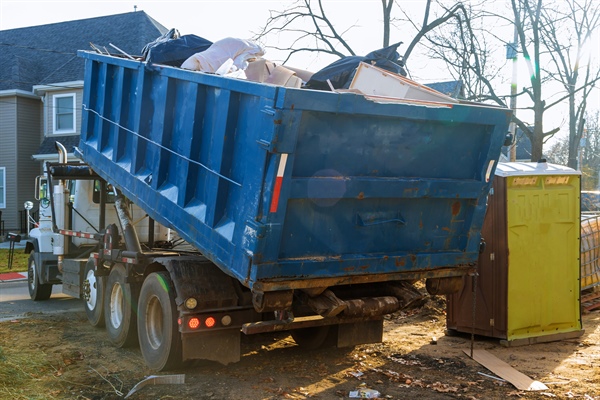
Placing a dumpster may seem straightforward, but location decisions affect safety, legality, access, and surface integrity. Whether the container supports a home renovation, commercial cleanup, or seasonal disposal project, placement rules vary based on public access, municipal regulations, and property layout. Understanding where a dumpster can legally and safely sit helps avoid fines, delays, and physical damage to surrounding areas. These considerations apply across residential neighborhoods, construction zones, and mixed-use properties.
This guide on Dumpster Placement: Rules, Permits & Best Locations explains when permits are required, how to select an appropriate on-site location, and what surface protection strategies reduce risk. Topics include public right-of-way requirements, driveway and yard placement considerations, methods to prevent pavement or landscaping damage, and solutions when space is limited. Drawing from operational standards followed by Van's Sanitation and similar service providers, this article reflects common placement challenges encountered during dumpster rental projects.
When a Permit Is Required for Dumpster Placement on Public Streets or Rights-of-Way
A permit is commonly required when a dumpster is placed on public property, including streets, sidewalks, alleys, or other municipal rights-of-way. Local governments regulate these areas to maintain traffic flow, pedestrian safety, and emergency access. Municipal public works or transportation departments typically oversee permits, and requirements differ by city and county. Permit conditions may define placement duration, container size, reflective markings, and barricade use.
Permits are often mandatory when the dumpster obstructs parking lanes, sidewalks, or bike paths. In many jurisdictions, placing a container even partially on a public surface triggers permit enforcement regardless of project length. Failure to obtain authorization can result in fines, forced removal, or liability if an accident occurs. Contractors and property owners share responsibility for compliance, and permit approval timelines should be factored into project planning.
Regulatory frameworks governing public placement are designed to protect shared infrastructure. During dumpster rental projects, municipalities may also require proof of insurance or indemnification. These measures help limit risk to public assets while allowing temporary waste containment in high-density areas.
How to Choose the Best Dumpster Placement Location on Private Property
Selecting the best location on private property requires evaluating access, clearance, and ground stability. Delivery trucks need sufficient turning radius and overhead clearance to safely lower the container. Flat, load-bearing surfaces such as concrete or compacted gravel reduce the risk of tipping or surface damage. Placement should also account for proximity to the work area to reduce material handling time.
Distance from structures, fences, and utilities matters. Dumpsters should remain clear of overhead power lines and building eaves to prevent contact during delivery. Local zoning ordinances may still apply even on private land, particularly in residential areas governed by homeowners’ associations or shared access agreements.
Service providers such as those offering Van's Sanitation services regularly assess property layouts before delivery. These assessments help align placement decisions with operational safety standards while maintaining unobstructed access for scheduled pickups and exchanges.
Driveway and Yard Placement Considerations for Dumpsters
Driveway placement is common due to its accessibility and structural support. Concrete and asphalt driveways typically handle the weight of a loaded dumpster better than unreinforced surfaces. However, older driveways or decorative paving materials may crack under sustained loads. Evaluating surface condition before placement reduces long-term repair risk.
Yard placement introduces additional variables, including soil compaction, drainage, and root systems. Saturated soil increases the likelihood of sinking or shifting, especially during extended rental periods. Grass and landscaped areas may also suffer compression damage that persists after container removal.
Property owners should consider seasonal conditions, soil composition, and container size when choosing between driveway and yard placement. These factors influence stability and post-removal restoration needs.
Protecting Pavement and Landscaping From Dumpster-Related Damage
Surface protection strategies focus on distributing weight and minimizing friction. Placing plywood sheets, rubber mats, or steel plates beneath dumpster contact points reduces direct pressure on pavement and lawns. These barriers help prevent cracking, gouging, and soil rutting during both placement and removal.
Landscaping protection extends beyond surface coverage. Maintaining clearance from irrigation systems, tree roots, and retaining walls prevents hidden infrastructure damage. Drainage patterns should remain unobstructed to avoid water pooling around the container.
Preventive measures are especially relevant for longer rental durations or high-volume disposal projects. Proactive surface protection lowers restoration costs and preserves property appearance.
Dumpster Placement Solutions When Space Is Limited
Limited space scenarios are common in urban settings, multi-family properties, and commercial corridors. Options include shorter container lengths, repositioning vehicles temporarily, or coordinating placement during off-peak hours. Vertical clearance and approach angles become critical when maneuvering within confined areas.
When private property cannot accommodate a container, public placement may be considered with proper permitting. In these cases, adherence to municipal spacing, signage, and safety requirements is mandatory. Planning logistics in advance prevents delivery delays and compliance issues.
Coordination with Van's Sanitation allows placement strategies to align with site constraints while maintaining service continuity and regulatory compliance.
Professional Support for Dumpster Placement and Compliance
Van's Sanitation provides waste management and dumpster rental services supported by operational experience across residential, commercial, and municipal projects. From navigating permit requirements to evaluating placement surfaces, their team applies consistent standards that prioritize safety, access, and property protection.
Located in Le Mars, IA, Van's Sanitation operates from 1553 18th St SW, Le Mars, IA. 51031 and can be reached at 712-548-4644. Their services address placement challenges related to public rights-of-way, limited-space environments, and surface protection planning.
To discuss dumpster placement options or request service guidance, visit their contact us page for direct assistance.