What Items Are Accepted for Curbside Yard Waste Collection?
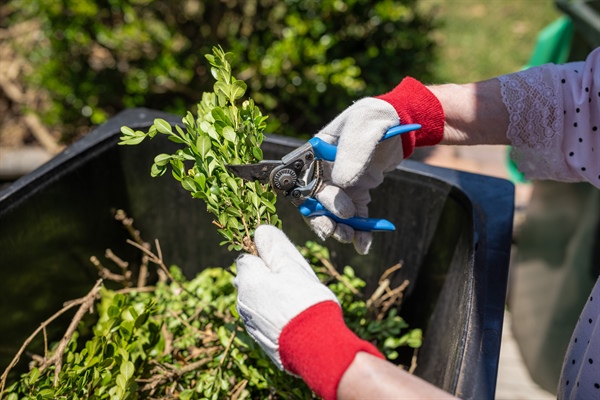
Curbside yard waste collection plays a key role in keeping residential properties clean, safe, and compliant with local disposal rules. Many homeowners generate organic waste during routine lawn care, landscaping projects, and seasonal cleanup, yet confusion often surrounds what materials are actually allowed at the curb. Understanding what items are accepted for curbside yard waste collection helps residents avoid service disruptions, reduce contamination, and support proper composting and disposal practices.
This article explains which materials are commonly approved for yard waste pickup and why certain items are restricted. Topics include grass clippings, branches, garden debris, prohibited materials like sod and dirt, and proper preparation methods for mixed organic waste. These questions reflect common concerns addressed by Van's Sanitation in its residential service area. For residents seeking clarity on accepted materials, the guidelines outlined here align with standard yard waste collection practices used across many municipalities.
Are Grass Clippings Accepted in Curbside Yard Waste Collection Programs?
Grass clippings are widely accepted in curbside yard waste programs because they decompose quickly and contribute valuable organic matter when processed through composting systems. Most residential programs classify grass clippings as a primary yard waste material due to their high nitrogen content and compatibility with large-scale compost operations. When properly collected, clippings can be diverted from landfills and repurposed into soil amendments.
Collection guidelines typically require grass clippings to be placed in biodegradable paper yard waste bags or designated carts. Loose piles or plastic bags are commonly prohibited because they complicate handling and contaminate compost streams. Moisture content is also monitored, as saturated clippings can add excess weight and cause handling issues during transport.
In Plymouth County service areas, residents relying on established yard waste programs are advised to keep grass clippings free from trash, pet waste, and treated materials such as herbicide-soaked grass. Clean separation supports efficient processing and aligns with compost quality standards.
What Types of Branches and Sticks Qualify for Yard Waste Pickup?
Branches and sticks are accepted for curbside yard waste pickup when they meet size and preparation requirements designed to protect collection equipment and personnel. Most programs specify maximum length and diameter limits, commonly allowing branches under four feet long and less than four inches in diameter. These limits reflect the mechanical constraints of chipping and composting systems.
Branches must usually be bundled securely with natural twine or placed in approved containers. Loose limbs or oversized materials are often rejected because they create safety risks and slow down collection routes. Bundling also prevents debris from scattering during handling and transport.
Residential customers using structured services such as residential waste service programs benefit from clearly defined branch guidelines that reduce missed pickups. Keeping branches free of metal, wire, or treated wood helps maintain compliance with organic processing requirements.
Can Garden Vegetation and Plant Debris Be Included in Yard Waste Collection?
Garden vegetation and plant debris are commonly accepted materials in curbside yard waste programs, provided they originate from routine residential maintenance. This category includes spent annuals, perennial trimmings, vegetable plants, weeds, and non-invasive plant matter. These materials break down efficiently during composting when properly sorted.
Many programs require plant debris to be free of soil clumps, plastic plant pots, landscape fabric, and synthetic ties. Excess soil adds weight and interferes with compost screening processes, while plastic contaminants compromise finished compost quality.
Seasonal yard waste guidance published by sanitation providers emphasizes separating organic plant material from hardscape debris. Clean vegetation supports compost production goals and aligns with long-standing disposal practices outlined in regional yard waste management standards.
Why Are Sod, Dirt, and Rocks Typically Excluded from Yard Waste Programs?
Sod, dirt, and rocks are generally excluded from yard waste collection because they are inorganic or contain excessive soil content that cannot be processed through composting systems. Sod often includes dense root mats and attached soil, making it heavy and difficult to break down within standard compost timelines.
Dirt and rocks pose additional challenges by increasing load weights beyond safe handling limits and damaging collection equipment. These materials also contaminate organic processing streams, reducing the usability of finished compost products.
Municipal and private sanitation guidelines consistently classify these items as construction or landscaping debris rather than organic waste. Separate disposal methods are required to maintain efficient yard waste operations and protect processing infrastructure.
How Should Residents Prepare Mixed Organic Yard Waste for Collection?
Preparing mixed organic yard waste requires separating acceptable materials and packaging them according to service guidelines. Grass clippings, leaves, and plant debris should be placed in approved paper bags or designated carts, while branches must be bundled within size limits. Mixing prohibited materials into yard waste loads can result in rejected pickup.
Residents are advised to avoid overfilling containers and to keep yard waste dry when possible. Wet organic material increases collection weight and complicates handling. Clear labeling and consistent placement at the curb improve service efficiency and compliance.
Published service standards from Van's Sanitation reflect widely adopted preparation practices used throughout Iowa communities. Following these guidelines supports safe collection, proper composting, and uninterrupted service schedules.
Trusted Yard Waste Collection Services in Plymouth County
Van's Sanitation provides structured yard waste collection services designed to help residents manage seasonal organic debris responsibly. With decades of experience serving Plymouth County and surrounding areas, the company applies clear guidelines that support safe handling, environmental compliance, and consistent curbside service.
Homeowners with questions about acceptable yard waste materials, preparation methods, or seasonal schedules can rely on accurate guidance from a local provider. Van's Sanitation operates from 1553 18th St SW, Le Mars, IA 51031, and can be reached by phone at 712-548-4644 for service details and support.
Residents seeking assistance with yard waste, residential collection, or service enrollment are encouraged to contact us to speak directly with a knowledgeable team member and receive clear, location-specific guidance.