What Homeowners Should Know Before Weekly Curbside Trash Collection
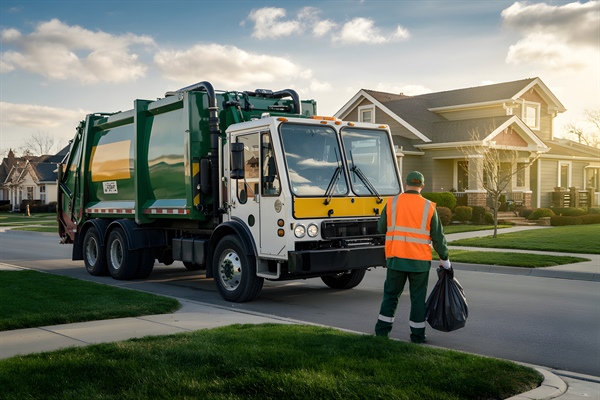
Scheduling weekly curbside trash collection is a routine decision for many homeowners, yet the details behind that service can affect cost, convenience, and compliance with local guidelines. Understanding cart size options, placement rules, billing tools, and seasonal requirements helps residents avoid missed pickups and unnecessary service issues. These considerations become even more relevant in communities where weather, roadway access, and automated collection systems influence how waste is collected.
Van’s Sanitation has provided residential waste collection services in Plymouth County and surrounding areas for decades, giving the company firsthand insight into how small service details impact day-to-day reliability. This article explains what homeowners should know before starting weekly curbside service, including cart size selection, curb placement timing, account tools, service adjustments, and winter weather rules. Each section addresses common questions that arise when residents begin or modify trash removal service.
Available Trash Cart Sizes and How to Select the Right Capacity
Weekly curbside trash service typically includes multiple cart size options designed to match household waste volume. Standard residential programs commonly offer smaller carts for limited waste output, mid-sized carts for average households, and larger carts for families that generate higher weekly volumes. Choosing the correct cart size helps prevent overflow, reduces the need for additional bags, and keeps lids fully closed for automated collection.
Household size, purchasing habits, and disposal of bulky packaging all influence cart selection. Homes with multiple occupants, frequent cooking, or limited recycling participation tend to require larger containers. Seasonal changes can also affect volume, particularly during holidays or home projects that increase waste output. Selecting a cart that consistently accommodates weekly needs avoids excess material being left behind due to overfilled containers.
Municipal and private haulers design automated routes around standardized cart dimensions, making proper sizing essential for safe and efficient service. Cart lids must close completely to allow mechanical lifting arms to function correctly and prevent debris from escaping during transport. Understanding these operational limits helps residents select a cart size that supports reliable trash removal without service interruptions.
Trash Cart Placement Timing and Curbside Set-Out Rules
Most residential waste collection programs set clear timeframes for when carts may be placed at the curb. These windows are designed to keep streets clear, maintain neighborhood appearance, and allow collection trucks to complete routes efficiently. Carts are typically permitted at the curb the evening before collection or early on the scheduled pickup day.
Placing carts too early can create obstructions for pedestrians, snow removal equipment, or emergency vehicles. Leaving carts out too long after collection may violate local ordinances or homeowners' association guidelines. Many communities require carts to be removed from the curb within a defined number of hours following pickup to maintain consistent neighborhood standards.
Automated routes operate on tight schedules, particularly in rural and residential areas where collection trucks cover large territories. Adhering to placement timing reduces missed pickups and supports smooth service delivery across all residential services. Understanding local timing rules helps residents align their set-out habits with route operations.
Billing and Account Management Options for Residential Waste Service
Residential waste service providers increasingly use automated billing systems to simplify account management and reduce paper processing. These systems allow customers to receive invoices, track payment history, and maintain consistent billing cycles. Automated billing improves accuracy and helps households plan for recurring service costs.
Account management tools also support service stability by reducing missed payments that could interrupt collection. Many sanitation companies integrate billing systems with customer service records, allowing service adjustments to be documented accurately and applied without delay. This structure supports long-term account continuity for residential customers.
Digital account tools also provide a centralized record of service details, billing status, and customer communications. For residents managing multiple services such as trash, recycling, or yard waste, automated systems reduce administrative effort while maintaining clear documentation of active services.
Reporting Service Changes and Requesting Trash Cart Adjustments
Changes in household size, waste volume, or disposal habits often require service updates. Sanitation providers maintain structured processes for residents to report changes such as cart size adjustments, temporary service holds, or additional pickup needs. These requests are logged to maintain route accuracy and equipment compatibility.
Proper documentation of service changes ensures collection routes reflect current customer needs. Cart size adjustments must align with automated truck specifications and available inventory. Reporting changes promptly allows providers to coordinate the delivery or exchange of containers without disrupting scheduled pickups.
Clear communication channels help avoid missed collections or incorrect service levels. Whether the change is permanent or temporary, accurate reporting supports route planning and ensures waste is collected safely and efficiently under the updated service configuration.
Winter Weather and Adverse Conditions Trash Placement Rules
Winter weather introduces additional considerations for curbside trash placement, particularly in regions that experience snow, ice, or freezing temperatures. Carts must remain accessible to collection trucks while avoiding snowbanks, plowed streets, and blocked curb lines. Proper placement helps prevent missed pickups during challenging conditions.
Residents are generally advised to place carts on cleared surfaces, away from snowdrifts, mailboxes, and parked vehicles. Keeping lids closed prevents snow and ice accumulation inside containers, which can increase weight and interfere with automated lifting equipment. These practices support continued service even during prolonged winter conditions.
Van’s Sanitation provides service throughout seasonal weather changes in Le Mars, adapting collection practices to maintain safety and consistency. Clear communication and proper cart placement during adverse conditions help ensure uninterrupted service and protect both equipment and personnel. Residents seeking clarification can reference Van’s Sanitation resources for current weather-related guidelines.
Reliable Weekly Curbside Trash Collection Support for Homeowners
Choosing weekly curbside trash collection involves more than selecting a pickup day. Cart sizing, placement timing, account management, service updates, and seasonal rules all play a role in maintaining reliable waste service. Van's Sanitation applies decades of operational experience to help residents navigate these details with confidence.
Located at 1553 18th St SW, Le Mars, IA 51031, Van’s Sanitation serves Plymouth County with residential trash, recycling, and yard waste services built around consistent routes and automated collection systems. Residents can speak directly with knowledgeable staff by calling 712-548-4644 to discuss service options, billing tools, or cart adjustments.
For homeowners seeking dependable curbside service backed by local expertise, Van’s Sanitation offers clear communication, flexible service management, and long-standing community commitment. Visit the company’s website to contact us and learn how residential waste services can be tailored to your household’s needs.