What Are the Risks of Improper Hazardous Waste Disposal?
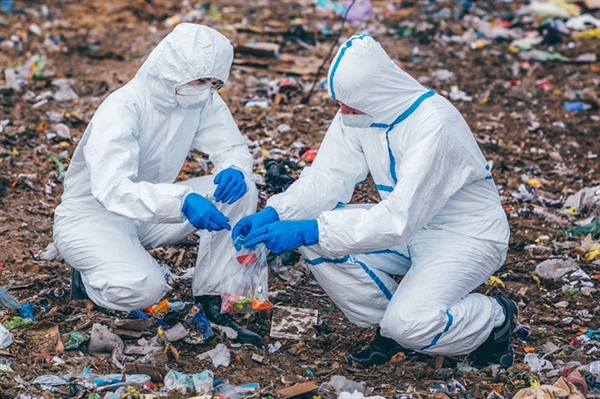
Hazardous waste is often closer to home than people realize. From paint cans and batteries to old cleaning products and motor oil, households generate a surprising amount of materials that, if improperly discarded, can pose serious risks to human health and the environment.
While it's easy to toss these items in the trash or pour them down the drain, doing so has consequences that extend far beyond the immediate convenience. The improper disposal of hazardous waste doesn’t just affect waste systems—it endangers ecosystems, pollutes local water supplies, and can even lead to legal and financial penalties.
Understanding the risks of improper hazardous waste disposal starts with knowing what qualifies as hazardous and what can go wrong if it's mishandled. This blog explores this topic in detail, examining common household items that fall under the hazardous waste category, the impact of improper handling on water and soil, and best practices for storing and transporting these materials safely.
Whether you're spring cleaning or disposing of renovation leftovers, knowing how to manage hazardous waste responsibly is critical for protecting your community!
Common Household Items That Are Classified as Hazardous Waste
Many everyday items used in homes qualify as hazardous waste once they are no longer needed or have expired. These include cleaning products such as bleach and ammonia, oil-based paints and solvents, automotive fluids like antifreeze and motor oil, batteries, fluorescent light bulbs, pesticides, herbicides, and electronic devices like old televisions or cell phones. These materials contain chemicals that are reactive, toxic, flammable, or corrosive—qualities that make them dangerous when disposed of in household trash or poured down drains.
Improper disposal of these items introduces risks during handling, transport, and landfill storage. For instance, aerosol cans can explode under pressure, while discarded lithium-ion batteries pose fire hazards in trash compactors or recycling facilities. Cleaning agents can generate toxic gases when mixed, even in garbage trucks or at disposal sites. Recognizing these risks helps reduce environmental harm and keeps waste management workers safe.
Proper separation and disposal of these items through waste disposal programs not only protects the community but also ensures compliance with environmental regulations. Households can significantly reduce their environmental impact by using approved disposal sites or attending scheduled hazardous waste collection events.
Environmental Impact: Water and Soil Contamination from Improper Disposal
Improper hazardous waste disposal has direct and severe impacts on local ecosystems. When chemicals seep into the soil, they can alter its composition, killing beneficial microbes, degrading organic matter, and rendering the land infertile. Common culprits include herbicides, antifreeze, and motor oil, which can persist in soil for years and disrupt native plant growth.
Water contamination is another significant consequence. Hazardous substances discarded into storm drains, septic systems, or landfills may leach into groundwater and surface water supplies. This contamination threatens drinking water sources, affects aquatic life, and disrupts recreational waterways. For example, improperly discarded pharmaceuticals can enter water systems and interfere with fish reproductive cycles or accumulate in food chains.
Long-term exposure to contaminated soil and water can increase the risk of cancer, neurological disorders, and birth defects in humans and animals. Controlling this risk begins with proactive waste handling strategies and community-wide awareness.
Community Collection Programs for Hazardous Waste
Special collection events offer residents a safe way to dispose of hazardous waste without risking environmental harm. These events, often organized by municipal governments or licensed waste handlers, provide temporary drop-off sites where households can bring items such as paint, batteries, pesticides, and electronics. Van's Sanitation & Recycling Inc. participates in and supports such initiatives as part of its environmental commitment.
These programs help consolidate hazardous materials into centralized facilities equipped to manage and treat them safely. This reduces the likelihood of illegal dumping or incorrect disposal. Events typically occur annually or semi-annually and are promoted through local government websites, flyers, and sanitation company newsletters.
Participation in these events ensures that hazardous waste is transported, treated, and disposed of according to state and federal regulations. It also educates the public on proper disposal practices and increases community accountability in environmental protection efforts.
Legal Consequences of Illegal Hazardous Waste Dumping
Illegal dumping of hazardous waste carries steep legal and financial penalties. In Iowa and across the U.S., individuals found guilty of disposing of hazardous waste unlawfully can face fines ranging from hundreds to tens of thousands of dollars per incident, depending on severity and intent. Repeat or large-scale violations may lead to criminal charges, including jail time.
The Resource Conservation and Recovery Act (RCRA) governs hazardous waste management and sets standards for handling, storage, and disposal. Under this law, violations can trigger federal penalties, especially if disposal results in environmental contamination or public health risks. States also impose their own penalties, often coordinating enforcement with local environmental protection agencies.
Enforcement is strict because hazardous waste can cause irreparable harm to communities and ecosystems. Reporting violations and using licensed collection services are both critical to avoiding these outcomes. Municipalities often publish public records of violations, which can affect property values and community reputation, creating further consequences beyond fines.
Best Practices for Safe Storage and Transport of Household Hazardous Waste
Safe storage of hazardous household items requires keeping them in their original containers with intact labels. Containers should be tightly sealed, stored upright, and kept away from heat, flames, children, and pets. Products should not be mixed, as chemical reactions can cause explosions or release toxic fumes. Items like bleach and ammonia, for instance, can form chlorine gas when combined.
When preparing hazardous waste for transport, residents should place items in sturdy, non-leaking boxes or bins. Absorbent materials, such as newspaper or kitty litter, can be used to cushion containers and prevent spills. It’s also recommended to segregate types of hazardous waste—for example, keeping flammable items away from corrosives or reactive substances.
Residents should deliver hazardous waste directly to authorized drop-off locations during operating hours or collection events. This minimizes risks during handling and ensures materials are received by trained personnel.
Safe, Compliant Solutions for Hazardous Waste Management
Van's Sanitation & Recycling Inc., based in Le Mars, Iowa, offers professional services that align with environmental regulations and community safety standards. Our team supports both residential and commercial clients in properly managing hazardous materials through certified waste collection and recycling programs.
Whether you're storing leftover pesticides, transporting old electronics, or disposing of paint, their expertise ensures your materials are handled correctly every step of the way. To speak with a team member or learn more about scheduled collection events and disposal guidelines, contact us today or call us at (712) 548-4644.