How Businesses Stay Compliant With Waste Regulations
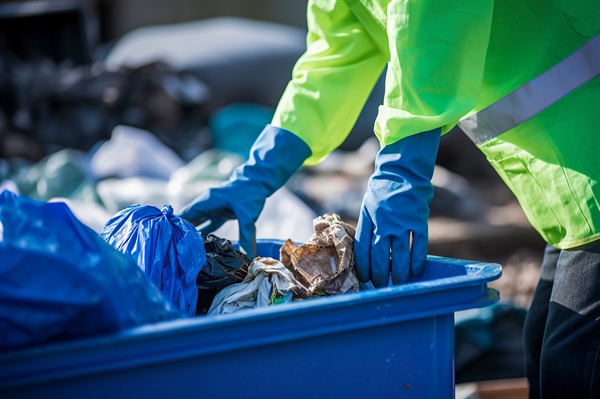
Waste rules can feel simple until a battery leaks in a dumpster, a solvent rag lands in the wrong bin, or an inspector asks for records you can’t produce on demand. Compliance is built on two ideas: (1) classify what you generate (solid waste, special waste, universal waste, used oil, hazardous waste), and (2) manage each stream under the right federal, state, and local requirements. In Iowa, that often means lining up EPA Resource Conservation and Recovery Act (RCRA) generator duties, Iowa Department of Natural Resources (DNR) requirements, Department of Transportation (DOT) shipping rules when materials leave your site, plus any city or county solid-waste ordinances that control what can go in containers and where it can go. The safest approach is to treat compliance as a repeatable system: written procedures, trained staff, clear labeling, vendor qualification, and records that are easy to retrieve.
Van’s Sanitation works with many commercial waste setups that include routine pickups, on-call service, and container options, but staying compliant still starts with your internal controls and documentation. Below are five practical compliance questions businesses ask when they want fewer surprises. Each section breaks down what regulators look for, how common waste streams are regulated, and what to keep on file so you can answer confidently when questions come up. For background on right-sizing day-to-day pickup and container workflows, this overview of commercial waste services is a helpful reference point for how typical commercial collection is structured.
Local Waste Disposal Regulations Plymouth County Businesses Should Know
For Plymouth County businesses, local rules typically involve three overlapping layers: municipal ordinances, county landfill or transfer-station requirements, and statewide regulations enforced by Iowa agencies. Cities may set recycling mandates or restrict certain materials from commercial containers, while counties define landfill acceptance rules and banned items. Businesses operating in or near Le Mars must follow local recycling requirements and disposal restrictions that affect both trash and recyclable materials.
Landfill and transfer-station rules often prohibit items such as liquids, batteries, electronics, fluorescent lamps, and chemical wastes. Even small quantities can create compliance problems if placed in regular dumpsters. Businesses should maintain written guidance that clearly identifies which materials belong in standard trash, which must be recycled, and which require special handling or off-site treatment.
Commercial waste hauling is also regulated. Many jurisdictions require licensed or permitted haulers, and certain waste types must be transported by specialized carriers. Understanding these boundaries helps businesses avoid improper disposal while coordinating routine service. In Le Mars, Iowa, Van’s Sanitation operates within local and county requirements, and businesses remain responsible for matching each waste stream to the correct regulatory pathway.
How to Dispose of Batteries, Chemicals, and Other Regulated Materials Legally
Batteries, solvents, aerosols, cleaners, pesticides, and other chemical products often fall under regulated waste categories. Under federal law, businesses must determine whether discarded materials qualify as hazardous waste and manage them according to generator standards. These standards control container labeling, accumulation limits, employee training, spill preparedness, and shipment to permitted facilities.
Some commonly generated items are regulated as universal waste, which allows streamlined handling but still requires segregation, labeling, and time limits. Used oil follows a separate set of management standards and cannot be mixed with other waste types. Improper mixing can trigger stricter hazardous waste requirements and enforcement action.
Once regulated materials leave the site, transportation rules apply. Hazardous waste shipments must be accompanied by proper shipping papers and sent only to approved facilities. These requirements exist regardless of business size. Routine trash vendors generally do not manage regulated materials, which is why businesses must maintain separate disposal channels while using standard providers for everyday collection. Information about routine collection boundaries can be found through Van's Sanitation services.
Waste Manifests and Compliance Records Commercial Customers Should Maintain
Documentation expectations depend on the type of waste generated. For standard solid waste and recycling, records may include service agreements, container inventories, pickup schedules, and contamination notices. These records demonstrate that waste is being managed through authorized channels.
For regulated waste, documentation becomes more formal. Businesses must retain waste determinations, safety data sheets, training records, inspection logs, and shipment documentation. Hazardous waste shipped off-site requires a Uniform Hazardous Waste Manifest, which tracks the waste from generation through final disposal. Records must be retained on site and be readily available during inspections.
Generator identification numbers, annual reporting where required, and land disposal restriction notifications may also apply. Even businesses with small waste volumes benefit from maintaining organized files that show regulatory awareness and control. Clear documentation reduces risk during audits and supports consistent compliance across locations.
How Waste Service Providers Support Environmental Compliance
Waste service providers support compliance by helping businesses manage routine waste safely and consistently. This includes selecting appropriate container sizes, establishing pickup frequencies that prevent overflow, and providing recycling services that reduce landfill disposal. These operational controls help minimize spills, odors, and unauthorized disposal.
Clear communication around accepted materials plays a major role. Providers often share contamination guidelines that help employees understand what does not belong in dumpsters or recycling carts. Local programs may also publish accepted-item lists and preparation rules that businesses must follow to avoid rejected loads.
For regulated materials, service providers help by preventing misrouting. Clear labeling, signage, and escalation procedures when prohibited items appear reduce the risk of violations. While specialized vendors are required for hazardous waste, routine providers play an important role by reinforcing boundaries that protect environmental compliance.
Preparing for Waste and Environmental Inspections or Audits
Inspection readiness depends on organization and consistency. Inspectors typically review waste classifications, storage areas, training records, and disposal documentation. A written waste profile that maps each process area to its waste streams helps staff answer questions quickly and accurately.
Regular internal inspections reduce compliance gaps. Checklists often cover container condition, labeling, closed-lid requirements, spill response equipment, and accumulation time limits. Businesses should also confirm that off-site vendors are properly authorized to transport and manage the waste types they receive.
Understanding generator status and storage limits is critical for regulated waste. When businesses conduct periodic self-audits and refresh training as operations change, they are better prepared for inspections and less likely to face enforcement actions.
Compliance-Focused Commercial Waste Support
Effective waste compliance combines proper service logistics with disciplined internal controls. Van's Sanitation supports commercial customers by providing reliable collection, recycling coordination, and container solutions that align with local requirements, while businesses maintain the classifications, records, and regulated disposal pathways required by law.
Businesses seeking support across routine waste management, recycling programs, documentation readiness, and inspection preparation can work with Van’s Sanitation at 712-548-4644 or visit 1553 18th St SW Le Mars, IA. 51031. To discuss service options and compliance-aligned waste solutions, contact us.